Key takeaways
- 8 quarts: Enough for soup for two to four people or a pound of pasta. Fits easily on a standard burner.
- 12 quarts: The size most reviewers favor. Handles chicken stock for a family, a large pot of chili or a pound or two of pasta.
- 16 to 20 quarts: For canning, large batch stocks or boiling crabs and corn. Check that it fits your burner and sink, and that the pot is not too heavy for you when full.
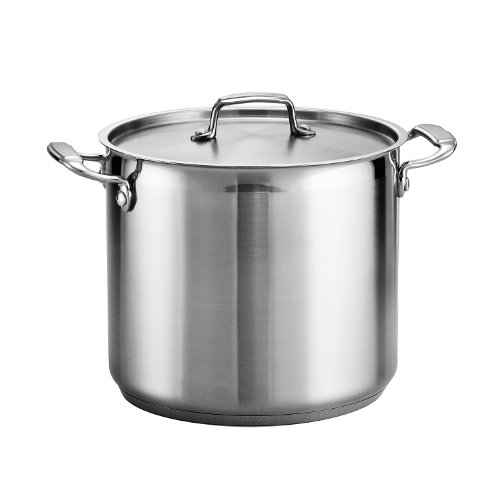
For most kitchens, a 12-quart stainless steel stock pot such as the Tramontina Gourmet tri-ply suits cooks who want an induction-ready, durable pot, the Cuisinart Chef’s Classic suits those who want a classic, widely recommended design, and the Cook N Home or T-fal 12-quart suits shoppers who want a lower-cost pot that testers rated highly. All of these fit well inside a $100 cap.
A stock pot is a tall, straight-sided pot for stocks, soups, chili, pasta, boiling corn and batch cooking. The size that suits most households is 12 quarts, and America’s Test Kitchen is reported to have evaluated only that size for exactly that reason. The notes below attribute claims to makers or outlets and flag where reviewers disagree.
Our top picks


As an Amazon Associate we earn from qualifying purchases at no extra cost to you.
Stock Pots at a Glance
| Model | Best for | Key stated points | Limits |
|---|---|---|---|
| Tramontina Gourmet 12-quart | Induction cooktops, durable everyday use | Reportedly 18/10 stainless steel with a tri-ply clad base, induction compatible, large looped handles and a stainless lid | Weighs over 5 pounds per the review, which may tire some hands |
| Cuisinart Chef’s Classic 12-quart | Home cooks who want a familiar standard | One roundup calls it the answer for most home cooks | Maker lists induction compatibility for the 12-quart; some outlets disagree for other Cuisinart pots |
| Cook N Home 12-quart | Budget shoppers wanting a top-rated basic pot | America’s Test Kitchen is reported to rank it among its top two | Simpler build; ATK lists an aluminum and stainless disk base and induction compatibility |
| T-fal Specialty Stainless 12-quart | Budget buyers who want a recognizable brand | America’s Test Kitchen is reported to rank it among its top two | Listed as three-ply and induction compatible, oven safe to 350F; one retailer listing conflicts, so check the exact version |
| Cooks Standard 12-quart | Value-minded cooks | One site recommends it for balancing cost, durability and performance | Another list puts it lower for large soup batches |
What the Reviewers Say
America’s Test Kitchen is reported to name the Cook N Home 12-quart and the T-fal Specialty Stainless Steel 12-quart as its two top-ranked models, and it also reviewed the Cuisinart Chef’s Classic and the Tramontina Gourmet. The review described the Tramontina as relatively easy to hold despite weighing over 5 pounds, thanks to large looped handles. Other outlets differ: one picks the Cuisinart Chef’s Classic for most home cooks and suggests the Tramontina tri-ply for full-clad versatility, another names P&P Chef as its best pick, calls a house-brand pot the budget option and highlights the Tramontina for durability and its stainless lid, and a third recommends Cooks Standard, Farberware Classic or a nickel-free pot for balance.
That spread is a reminder that roundups often reflect different test methods. Stainless pots in this size class perform similarly for boiling and simmering, so features like handles, lid fit and base type often decide the purchase.
Stainless Construction: What the Words Mean
Tri-ply clad base
A tri-ply base layers aluminum between stainless steel. It spreads heat more evenly than a single thin layer and can reduce scorching on the bottom when you sauté onions before adding liquid. The Tramontina Gourmet is described as having a tri-ply clad base.
Encapsulated aluminum base
Many budget pots add a disc of aluminum under the stainless bottom. One roundup says the Cuisinart, Farberware and KitchenAid pots have aluminum-encapsulated bases that are not induction ready, while the maker’s page lists the Cuisinart Chef’s Classic 12-quart as compatible with all stovetops including induction. Because outlets conflict across brands and models, rely on the maker’s statement for your exact model if you use induction.
18/10 stainless
This describes the nickel and chromium content of the steel and signals resistance to rust and staining. It does not by itself tell you about base quality.
Size and Fit
- 8 quarts: Enough for soup for two to four people or a pound of pasta. Fits easily on a standard burner.
- 12 quarts: The size most reviewers favor. Handles chicken stock for a family, a large pot of chili or a pound or two of pasta.
- 16 to 20 quarts: For canning, large batch stocks or boiling crabs and corn. Check that it fits your burner and sink, and that the pot is not too heavy for you when full.
Pot width matters: a pot wider than the burner heats unevenly on some cooktops. Measure your largest burner and your cabinet depth before buying.
Budget Tiers
- Budget tier: Basic stainless 12-quart pots such as the Cook N Home or T-fal. Fine for soups and pasta, though a thinner base can scorch if you sauté vigorously.
- Mid-range tier: Cuisinart Chef’s Classic and Cooks Standard, with aluminum-encapsulated bases and sturdier handles.
- Upper tier within the cap: Tramontina Gourmet tri-ply, with a full clad base and induction readiness per reviewers.
Handles, Lids and Weight
Look for riveted loop handles that give a secure two-hand grip when the pot is full. A tight-fitting lid helps stocks simmer with less evaporation, and a stainless lid avoids the lower heat limits of glass. A full 12-quart pot of liquid can weigh upward of 25 pounds including contents, so a pot with a stable base and sturdy handles is a safety feature, not just a convenience.
Care and Safety Notes
Do not fill the pot to the brim; leave several inches of headroom so liquids do not boil over. Lift pots with both hands using dry oven mitts, and turn handles so they do not hang over open burners. Drain pasta with care to avoid steam burns. For cleaning, soak stuck-on food, then use a non-abrasive pad. Bar Keepers Friend type cleaners are often used on stainless, but follow the maker’s guide. Let hot pots cool before washing to prevent warping. Cooling large batches of stock safely is a food safety matter, so divide into shallow containers and refrigerate promptly according to your local food-safety guidance.
Pick X If… Decision Table
| Pick this if you… | Choose | Why |
|---|---|---|
| Cook on induction and want a durable pot | Tramontina Gourmet 12-quart | Tri-ply base, induction compatible per reviewers |
| Want a familiar, widely recommended pot | Cuisinart Chef’s Classic 12-quart | Recommended for most home cooks in one roundup |
| Want a budget pot that scored well | Cook N Home or T-fal 12-quart | Top-ranked in one major test |
| Want a low-cost balanced option | Cooks Standard 12-quart | Recommended for balance by one site |
| Cook smaller batches | An 8-quart pot | Less weight, easier storage |
Alternatives
- Dutch oven: Better for braises and bread, but heavier and generally less spacious for big stocks.
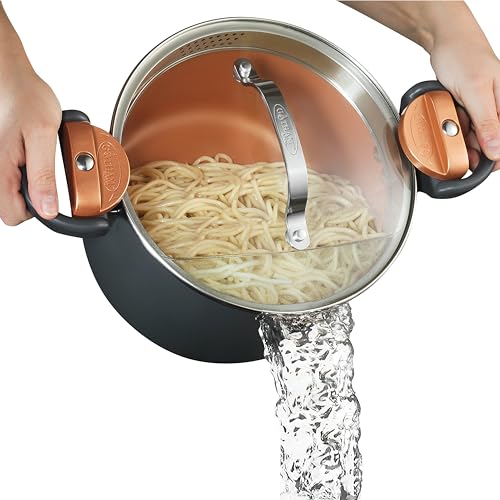
- Pasta pot with a strainer insert: Convenient for draining pasta, though the insert adds cost.
- Multi-cooker: Can make stock hands-free, but capacity is usually smaller and the pot cannot go over a burner.
Using a Stock Pot Well
A stock pot earns its place through batch cooking. Start stock with cold water so proteins release slowly and the liquid stays clearer, bring it to a gentle simmer rather than a hard boil, and skim foam as it rises. For soups and chili, brown aromatics first in the pot, then add liquid, and the pot’s depth keeps splatter low. For pasta, use plenty of water and stir early so noodles do not stick, then drain with a colander in a sink, taking care with steam.
Think about how you will move and store it. A full pot is heavy, so avoid carrying it far, and place it on the burner before filling when possible. Some cooks keep a ladle and a pair of oven mitts beside the stove for easier portioning. When storing, nest the lid upside down in the pot to save space, and keep a dry towel between pot and lid if you store it long term so no moisture is trapped.
If you also plan to can or boil large items, confirm the pot’s stated capacity and the maker’s guidance, as canning has its own food-safety requirements and not every stock pot is suitable for it.
Frequently Asked Questions
What size stock pot should I buy?
Twelve quarts suits most households, and America’s Test Kitchen is reported to have focused on that size. Choose a smaller pot if you cook for one or two, and a larger one only if you can store and lift it comfortably.
Do I need a tri-ply base?
It helps if you sauté in the pot before adding liquid, since the layered base spreads heat more evenly. For simple boiling a basic encapsulated base is usually enough, but induction users should look for an explicit induction statement.
Are budget stock pots good enough?
Yes for most tasks. America’s Test Kitchen is reported to have ranked budget pots such as the Cook N Home and T-fal at the top of its test, which suggests price does not always predict performance in this category.
Can I use a stock pot on an induction cooktop?
Only if the base is magnetic. The Tramontina Gourmet is described as induction compatible, while outlets disagree about some other brands, so rely on the maker’s statement for your model.
How do I keep stock from scorching?
Use medium heat, stir occasionally and avoid sautéing at too high a heat in a thin-based pot. A tri-ply base helps, and adding liquid before the bottom browns too much prevents burnt flavors.
Can I cool a large pot of stock in the fridge?
Not safely in one big pot. Food-safety guidance generally advises dividing hot stock into shallow containers so it cools quickly, and your local authority can give specific time limits.