Key takeaways
- Pro: A pop-up-focused brand usually means a lower travel profile, which helps with wind, fuel use, and clearance on overgrown trails.
- Pro: A smaller camper in a brand lineup tends to be friendlier to mid-size and half-ton trucks than a full-size hard-side model.
- Con: Pop-up roofs add setup steps at camp and can feel colder in harsh weather than a rigid hard-side shell.
Before comparing floor plans, the first question is simple: what does your pickup carry without complaint? A truck camper slides into the bed and turns the truck into a getaway vehicle, which is why people choose it over a trailer for narrow forest roads and tight parking. The catch is that every camper adds a load on the rear axle, and a model that looks perfect in a showroom can overload a half-ton truck on the first trip.
That makes the shopping order matter: match the truck first, then pick the camper. This guide shortlists six truck campers by brand and model name, gives checkable rules for bed length, payload, and layout, and notes what each name does and does not tell you. Specific weights and dimensions are not stated in names, so they must be confirmed from the maker’s current specifications. As of 2026 the basic rule remains the same: loaded weight must stay within the truck’s rated payload.
Quick Picks
| Product | Best for | Worth knowing |
|---|---|---|
| Four Wheel Campers Hawk | Light, pop-up style trips to backcountry sites | Pop-up style in the brand’s lineup, so check roof setup time |
| Host Mammoth | Buyers wanting a larger, residential-style slide-in | Mammoth suggests size, so verify truck capacity first |
| Lance 650 | Hard-side comfort from a well-known maker | Model number alone does not give weight or bed length |
| Palomino Backpack SS-500 | Compact campers for smaller pickups | SS-500 suggests a smaller model in the lineup |
| Eagle Cap 850 | Families or couples wanting a full-size floor plan | Larger campers often require a heavy-duty truck |
| Northern Lite 10-2 EXCD | Four-season-minded owners from a lightweight-focused brand | Confirm the exact bed length and truck match |
How to Choose
Start with truck payload, not camper features
Find the payload rating on the door jamb sticker of your truck, then subtract passengers, gear, fuel, and the hitch if you tow. A fair rule of thumb is to keep the camper’s wet weight, which includes water, propane, and gear, at least 10 percent under the remaining payload. Half-ton trucks usually suit lightweight campers, while three-quarter and one-ton trucks, especially with dual rear wheels, are the safer match for larger hard-sides. Never trust the dealer’s guess here: read the truck’s own sticker and the camper’s wet weight sheet.
Match the bed length and cab type
Truck campers are built for specific bed lengths, usually short at about 5.5 to 6.5 feet, standard at about 6.5 feet, or long at about 8 feet. A camper designed for a long bed overhangs a short one and can affect handling and tailgate access. Always confirm the manufacturer’s stated bed length for each camper, because model numbers are not a reliable guide. Check that the camper’s floor length matches your bed, Look at the bed’s inside width too, since wheel wells and tailgate gaps affect how a camper sits. and measure the cab-over clearance so it does not touch the cab roof on bumps.
Choose between pop-up and hard-side
Pop-up designs lower the roof for driving, which reduces wind drag and center of gravity, but they take a few minutes to set up and handle cold less well. Hard-sides stay rigid and often have more insulation, which suits winter and full-time use, but they are taller and heavier. Think about wind, parking garages, and low branches before deciding. Also consider how you store the camper at home: a hard-side may need a dedicated spot with jacks, while a pop-up often fits better under a carport or in a garage with enough width.
Amenities against weight
A wet bath, a furnace, and an air conditioner add comfort and weight. Decide what you will use every trip. A good rule of thumb is that each added system costs payload, so a camper with a dry bath and a cooktop may suit a smaller truck better than one packed with every option. Also consider whether you need an on-board toilet or can rely on campground facilities. Dry-camping trips make tank size and battery capacity more important than a fancy interior.
Our Picks Reviewed
Four Wheel Campers Hawk

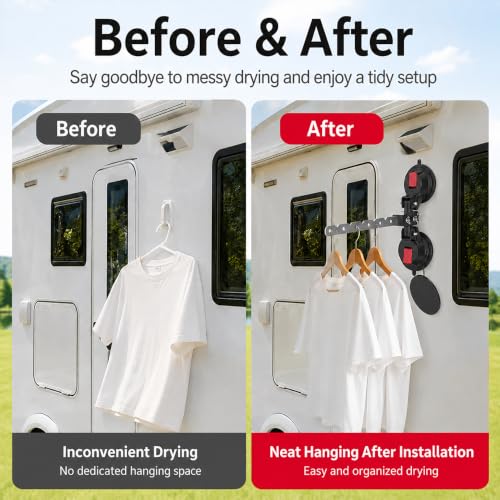
Trrisaun RV Clothes Drying Rack for Four Wheel Campers Hawk Hawk Base





As an Amazon Associate we earn from qualifying purchases. Product prices and availability are accurate as of the date/time indicated.
Four Wheel Campers builds pop-up truck campers, and Hawk is a model name within that range. The brand focuses on camper shells designed to sit lower and lighter than a typical hard-side, which suits trucks with limited payload.
- Pro: A pop-up-focused brand usually means a lower travel profile, which helps with wind, fuel use, and clearance on overgrown trails.
- Pro: A smaller camper in a brand lineup tends to be friendlier to mid-size and half-ton trucks than a full-size hard-side model.
- Con: Pop-up roofs add setup steps at camp and can feel colder in harsh weather than a rigid hard-side shell.
Skip it if you want a roomy interior with standing height all around, or if you plan to camp regularly in freezing temperatures without extra insulation. A thin shell also leaves little room to stand while changing clothes.
Host Mammoth

Plant Good Seed Organic Mammoth Dill Seeds for Planting: 100 Count | Tall Productive Dill, Abundant Feathery Leaves and Seed Umbels, Pickle-Making Essential, Swallowtail Host Plant, Non-GMO

As an Amazon Associate we earn from qualifying purchases. Product prices and availability are accurate as of the date/time indicated.
Host Campers is a name associated with slide-in campers, and Mammoth is a model name hinting at a larger layout. The name suggests space and comfort as priorities, though it does not give measurements.
- Pro: A larger model usually brings more interior room, which helps couples who spend several days in a row at one site.
- Pro: A bigger floor plan can fit more amenities, such as a full bed, dinette, and storage, without feeling cramped.
- Con: Size means weight, and a camper of this class often needs a heavy-duty truck with a high payload rating to carry it safely.
Skip it if you drive a half-ton pickup with modest payload, or if you want something that handles tight forest roads and tight turns with ease. Check the height too, because a tall unit can catch low branches and parking structures.
Lance 650
MZYLW 2PCS RV Leveling Blocks for Lance Camper Lance 650 2021 2022 2023 2024 2025 2026,Anti-Slip Up to 35000 LBS Camper Levelers Wheel Chocks Heavy Duty Curved Levelers
As an Amazon Associate we earn from qualifying purchases. Product prices and availability are accurate as of the date/time indicated.
Lance is one of the more recognized truck camper makers, and 650 is a model number in its range. The number alone does not provide dimensions, so treat it as a starting point for checking the specification sheet.
- Pro: A well-known maker usually means broader dealer support, which helps when you need service or parts.
- Pro: Hard-side campers from established brands tend to offer a familiar, residential-style layout that many first-time buyers prefer.
- Con: Model numbers do not tell you weight or bed length, so you must verify truck compatibility before getting attached to the floor plan.
Skip it if you want a clearly minimalist, lightweight camper, or if you need a pop-up for low-profile driving and easy garage storage. Hard-side models in this class are not designed to lower their roofs for driving.
Palomino Backpack SS-500

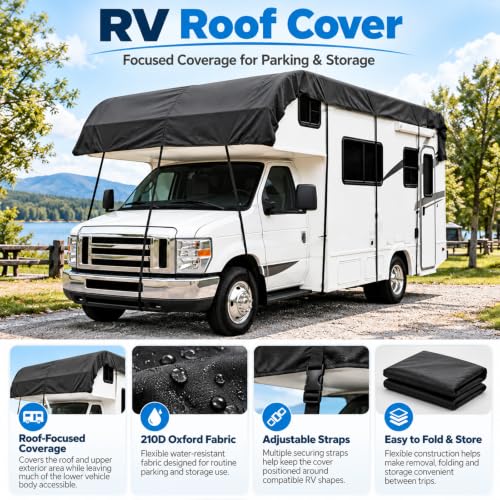
RV Roof Cover for Palomino Backpack SS-500 2025-2026, Water Resistant|210 Motorhome Top Protector|Reflective Strip|for Trave Trailers, Class A/B/C RVs, Truck Campers



As an Amazon Associate we earn from qualifying purchases. Product prices and availability are accurate as of the date/time indicated.
Palomino’s Backpack line is aimed at compact truck campers, and SS-500 reads as a smaller model within it. The name positions it toward buyers with mid-size or half-ton trucks who want a simple shelter.
- Pro: A compact line suggests a better match for trucks with limited payload and smaller beds than larger campers allow.
- Pro: Smaller campers are easier to store at home, and they usually cost less in fuel and wear on the truck.
- Con: Compact floor plans mean fewer amenities and tighter living space, which can feel limiting on longer trips.
Skip it if you travel with several people or pets, or if you want a full kitchen and wet bath inside the camper for extended stays. Trips of a week or more will highlight every missing convenience.
Eagle Cap 850

RV Tire Covers for Eagle Cap 850 2010-2026 | 4 Pack Camper Wheel Protectors Heavy Duty Trailer Sun Guards


As an Amazon Associate we earn from qualifying purchases. Product prices and availability are accurate as of the date/time indicated.
Eagle Cap is a hard-side truck camper brand, and 850 is a model number suggesting a mid-to-large layout in its range. Larger floor plans appeal to people who want a home-like feel.
- Pro: A hard-side build generally offers more insulation and storage, a good match for colder seasons and longer stays.
- Pro: A full-size floor plan can include more seating and bed room, which suits couples who value space.
- Con: Larger hard-sides weigh more and sit higher, so they usually need a heavy-duty truck and extra care in wind and on low-clearance roads.
Skip it if you drive a smaller truck, or if you want a camper that can be quickly installed and removed by one person. Plan on a helper and proper jacks for every installation.
Northern Lite 10-2 EXCD
Northern Lite is a brand associated with lightweight campers, and 10-2 EXCD is a model designation. The name does not describe features, so use it as a prompt to review the layout and the bed length it is built for.
- Pro: A lightweight-focused brand usually appeals to buyers who must stay within a tight payload rating.
- Pro: A numbered model implies a longer-bed layout, which can offer a more complete interior than compact short-bed designs.
- Con: A long-bed camper will not suit short-bed trucks, and the cryptic model code makes comparing features harder.
Skip it if you have a short-bed truck, or if you prefer a name that states features and dimensions clearly for quick comparison. Reading the maker’s floor plan sheet is essential before shortlisting it.
Which One Fits
- Half-ton truck owners: look first at the Four Wheel Campers Hawk and the Palomino Backpack SS-500.
- Couples wanting space: the Host Mammoth or Eagle Cap 850, once the truck can carry them.
- Brand-loyal buyers wanting dealer support: the Lance 650.
- Payload-conscious long-bed owners: the Northern Lite 10-2 EXCD.
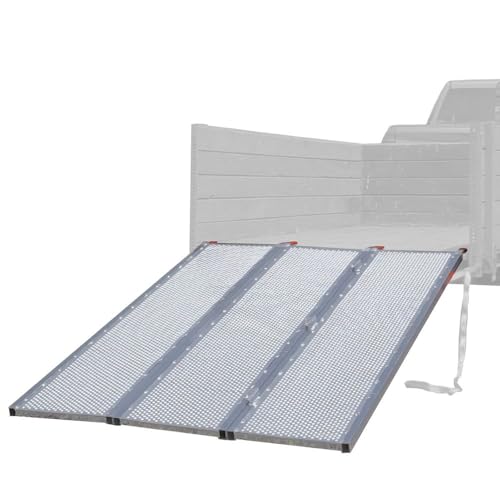
- Anyone adding off-road toys: read about ATV loading systems first, because bed space and payload are shared.
Common Mistakes
- Choosing the camper before checking the truck’s payload sticker. This single error causes most overloaded rear axles.
- Forgetting that water, propane, gear, and passengers all count against payload.
- Buying a long-bed camper for a short-bed truck, or the reverse.
- Ignoring tie-down and turnbuckle hardware, which keeps the camper from shifting in the bed.
- Skipping suspension upgrades, such as airbags or heavier springs, on trucks that sag with the camper loaded. A truck that squats at the rear steers poorly and wears tires quickly.
FAQ
Can a half-ton truck carry a truck camper?
Many can carry lightweight models, but you must stay within payload. Check the door jamb sticker and add up the camper’s wet weight. Include passengers and gear in the same math.
Are pop-up campers better than hard-sides?
Pop-ups are lower and lighter, while hard-sides are warmer and quicker to set up. Setup time is a real consideration after a long driving day. The best choice depends on weather and truck capacity.
Do I need special tie-downs?
Yes. Campers are secured with turnbuckles or frame-mounted tie-downs, not just the bed rails.
What else should I plan for on the road?
Long drives are easier with a supportive seat, and many owners add lumbar support cushions for car seats before a big trip.
Is a camper easier to live in than a trailer?
It is easier to park and maneuver, but living space is smaller. Full-time owners should also study RV sewer hose kits for full-timers to handle waste on long stays.